
If you’re stepping into the world of 3D, one of the first forks in the road you’ll encounter is the choice between hard surface and organic modeling. Both are foundational disciplines, both feed into games, film, product design, and VFX, but they demand very different mindsets, tools, and muscle memory.
In this guide, we break down the hard surface vs organic modeling debate in a practical, no-nonsense way so you can decide which path to focus on first, without wasting months guessing. See nastyrodent.com for their take.
What Is Hard Surface Modeling?
Hard surface modeling refers to the creation of man-made, machined, or inorganic objects. Think of anything that has clean edges, mechanical parts, or a rigid structure.
Typical hard surface subjects include:
- Vehicles (cars, planes, spaceships)
- Weapons and firearms
- Robots and mechs
- Architecture and props
- Electronics and gadgets
- Industrial and product design
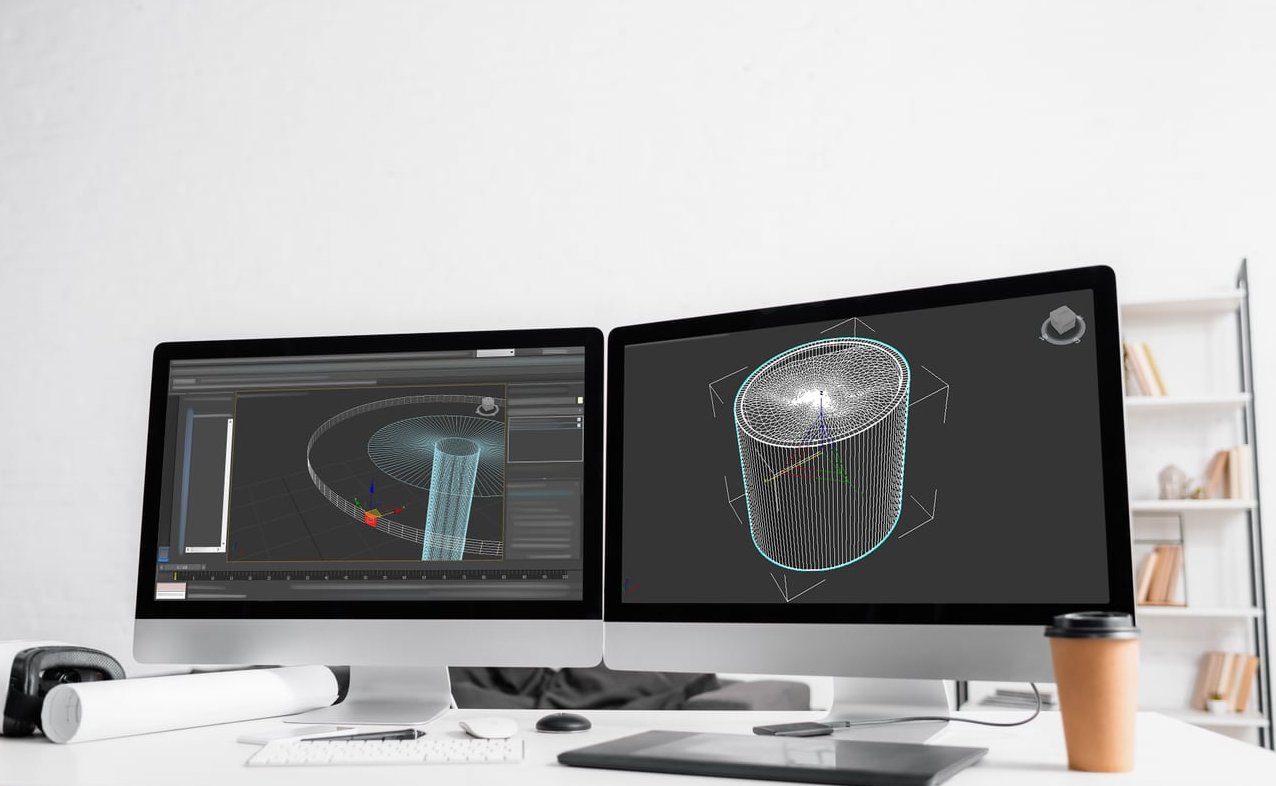
The workflow emphasizes precision, clean topology, sharp bevels, and controlled edge flow. Booleans, subdivision surface modeling, and CAD-style workflows all live here.
What Is Organic Modeling?
Organic modeling covers living or natural forms: anything that grew, breathes, or bends. It’s about soft transitions, asymmetry, and anatomy.
Common organic subjects:
- Human and creature characters
- Animals and monsters
- Plants, trees, and foliage
- Rocks, terrain, and cliffs
- Cloth and drapery
The workflow leans heavily on sculpting, dynamic topology, retopology, and detail passes. It rewards artistic sense over technical precision, though clean topology still matters when it comes time to animate.
Hard Surface vs Organic Modeling: Side-by-Side Comparison
| Aspect | Hard Surface | Organic |
|---|---|---|
| Subject matter | Man-made, mechanical, rigid | Living, natural, flexible |
| Core technique | Poly modeling, booleans, subdivision | Digital sculpting, retopology |
| Mindset | Technical, precise, engineering-like | Artistic, anatomical, sculptural |
| Reference material | Blueprints, orthographic photos | Anatomy studies, live models, nature |
| Primary tools | Blender, Maya, 3ds Max, Plasticity, Fusion 360 | ZBrush, Blender sculpt mode, Mudbox, Nomad |
| Topology | Grid-based, edge flow around bevels | Flow around muscles and deformation zones |
| Common industries | Product viz, automotive, sci-fi games | Film VFX, character art, creature design |
Typical Tools for Each Workflow
Hard Surface Toolkit
- Blender with add-ons like Hard Ops, BoxCutter, and MESHmachine
- Plasticity, a modern CAD-style modeler gaining massive traction in 2026
- Maya and 3ds Max for studio pipelines
- Fusion 360 or Rhino for engineering-grade precision
- Moi3D for NURBS-based concepting
Organic Toolkit
- ZBrush, still the industry standard for character sculpting
- Blender sculpt mode, now powerful enough to rival ZBrush for many tasks
- Nomad Sculpt for iPad-based workflows
- Mudbox for texture and displacement painting
- Marvelous Designer for cloth simulation
When to Use Hard Surface Modeling
Choose the hard surface path when your project involves:
- Vehicles, weapons, or props for games
- Product design or client-facing 3D renders
- Sci-fi environments, mechs, or robots
- Architectural visualization
- Anything requiring measurable accuracy
When to Use Organic Modeling
Organic is the way to go for:
- Characters for games, film, or animation
- Creatures, monsters, and fantasy beasts
- Natural environments like rocks, terrain, or foliage
- Statues, busts, and figurines (great for 3D printing)
- Any subject that needs to feel alive or hand-crafted
Which One Should Beginners Focus On First?
This is the real question, and the honest answer is: it depends on what excites you. Passion sustains practice. That said, here are practical guidelines:
Start With Hard Surface If…
- You enjoy technical problem-solving and clean geometry
- You want to learn topology fundamentals with clear rules
- You aim for game asset creation, product viz, or industrial design
- You prefer measurable progress over subjective critique
Start With Organic If…
- You have a drawing or sculpture background
- You want to become a character or creature artist
- You’re comfortable with anatomy studies and iterative refinement
- You enjoy the freedom of sculpting over precise vertex placement
Our Recommendation at Pixel Pastry
If you’re truly undecided, we suggest starting with hard surface modeling. Here’s why: it teaches you the language of 3D (edges, faces, normals, topology, UVs) in a structured way. Once those fundamentals click, transitioning to organic sculpting feels natural, because you’ll already understand what good topology should look like when you retopologize a sculpt.
The reverse (jumping into sculpting first) often produces beautiful blobs that are unusable in production pipelines.
The Hybrid Reality of Modern 3D
In 2026, the line between hard surface and organic is blurrier than ever. Most professional artists blend both:
- A sci-fi character mixes an organic body with hard surface armor
- A creature may need mechanical implants
- A weathered vehicle needs sculpted damage and dirt
Learning both eventually is the norm. But specializing first will get you hired faster than being a generalist too early. (via https://gridpaperstudio.com)
FAQ
What is the difference between organic and hard surface modeling?
Organic modeling represents living, natural forms like humans, animals, and plants using sculpting techniques. Hard surface modeling represents man-made, mechanical, or inorganic objects like cars and weapons using polygonal or CAD techniques.
Is hard surface modeling harder than organic?
Neither is objectively harder. Hard surface demands technical precision and topology discipline, while organic requires artistic skill and anatomical knowledge. Most artists find one more intuitive based on their background.
Is CAD considered hard surface modeling?
Yes, CAD is a form of hard surface modeling focused on engineering accuracy. However, traditional hard surface modeling for games and film usually uses polygonal software like Blender or Maya rather than parametric CAD tools.
Can I use Blender for both hard surface and organic modeling?
Absolutely. Blender is one of the best all-in-one tools in 2026, offering strong polygonal modeling, powerful sculpting, and add-ons for both workflows. It’s an excellent starting point regardless of which path you choose.
What software do professionals use for hard surface modeling in 2026?
Common choices include Blender (with Hard Ops and BoxCutter), Plasticity, Maya, 3ds Max, and Fusion 360. Plasticity has seen huge growth recently thanks to its intuitive NURBS-based approach.
Should I learn organic modeling before rigging and animation?
Yes, if you plan to animate characters. Organic modeling teaches you deformation-friendly topology, which is essential for rigs to bend and stretch naturally.
Ready to start? Pick one path, commit to it for at least 90 days, and don’t jump around. Depth beats breadth in the early stages of any 3D career. We break it down further here.